Two Rivers VFW Club House was a U.S. Life Saving Station Building
The former Veterans of Foreign Wars Post No. 1248 club house at 2200 Polk Street near the Aurora Health Clinic in Two Rivers has an interesting history.
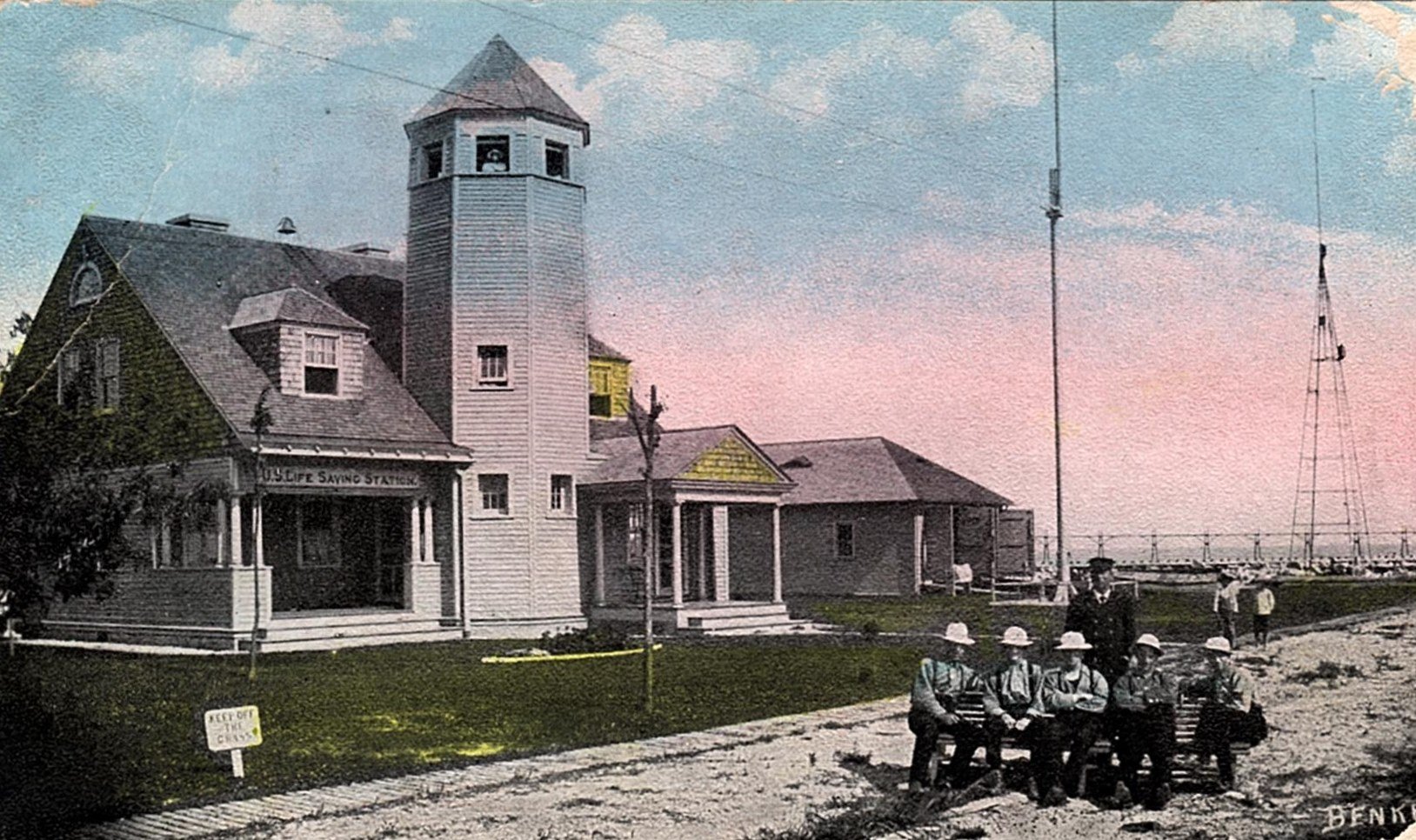
H. C. Benke postcard of U.S. Life Saving Station, Two Rivers, Wis., circa 1908-1915. Capt. George Sogge is shown with his crew, from left, John Gagnon, George Glesner, Oscar Anderson, Ed LeMere and Jim Longamac.
PROVIDED BY LESTER PUBLIC LIBRARY
The structure was originally located on East Street on the north side of the harbor entrance where it served as the U.S. Life Saving Station. On March 14, 1908, the Two Rivers Reporter ran a three-column story on the front page, with the headline, ‘New U.S. Life Saving Station Completed, Ready for Occupancy.’ The new facility included a keeper’s residence and quarters for the crew, a boat house and storage shed.
Construction of the main building with a three-story lookout tower began in August 1907. The spacious wood building was about three times larger than the old station built at the north harbor entrance in 1875. Interior rooms featured plastered walls, hardwood floors and yellow pine trim. The kitchen was equipped with hot and cold water. The office had a telephone.
The two-bay boat house faced the harbor with ramps for launching lifeboats on double tracks of heavy steel rails. The boats, rowed by oars, were later powered by gasoline engines.
The storage building had ample room for a year’s supply of fuel oil. A tall flag pole was located between the main building and boat house.
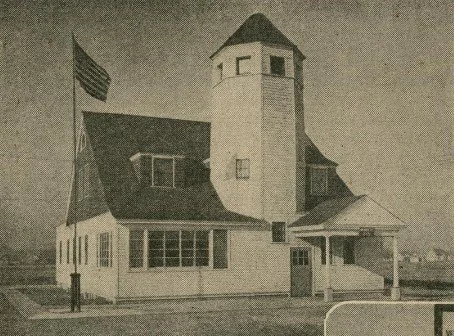
VFW Eleven Gold Star Post No. 1248 club house at Polk and 22nd streets in 1945.
FROM THE 1945 SOJOURNER
Capt. Frank H. Newcomb was superintendent of construction. L. K. Pitz and Rudolph Groll of Manitowoc were contractors for the buildings. Masonry work for the concrete and brick foundation was done by Frank Wolfe of Two Rivers.
In 1909, Two Rivers was one of 61 life saving stations operated by the U.S. government on the Great Lakes - 31 were on Lake Michigan. Capt. George E. Sogge was in command of Station Two Rivers when the new buildings were constructed.
In 1915, the U.S. Life Saving Service merged with the Revenue Cutter Service to form the U.S. Coast Guard.
When a new Coast Guard station was completed at Two Rivers in 1941, the government transferred the old Life Saving Service building to the local VFW for a club house, as the post had outgrown its old meeting place on Lake Street, near the municipal utility plant and C. Reiss Co. coal yard. Post commander Everett LaFond was instrumental in getting the building for the VFW.
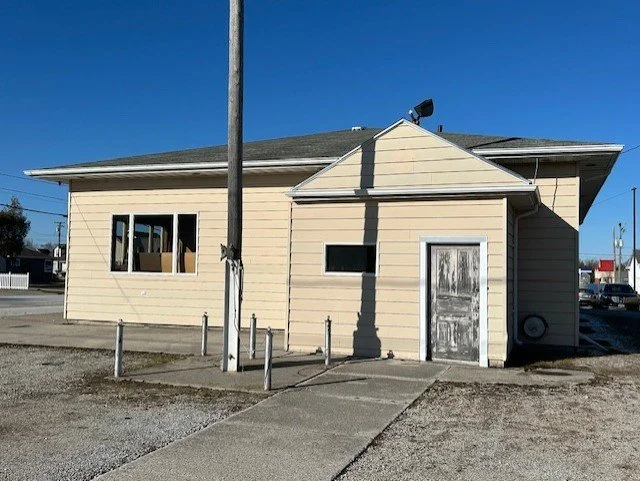
Front side of the former Two Rivers VFW club house as it appears today.
PROVIDED BY BOB FAY
In February 1942, the old Coast Guard building was moved along the Lake Michigan shoreline and through Neshotah Park to the northwest corner of 22nd and Polk Streets, across from the entrance to Thomas Walsh Memorial Field.
Once on its new site, the building was remodeled by Arthur Stueck, general contractor, and Sylvester Schmitt, architect, of Two Rivers. The VFW club house featured a lounge with a fireplace, office, kitchen and “tavern arrangements in the basement.” VFW Post 1248 held the first meeting in their new club house on July 28, 1942.
In February 1945, exterior and interior views of the VFW Post No. 1248 club house appeared on the front page of The Sojourner, a monthly newsletter published at the Vocational School print shop in Two Rivers during World War II for servicemen from the area. The post provided funding to support the publication.
The Eleven Gold Star Post No. 1248 of the VFW at Two Rivers was chartered on August 30, 1924. The post had 31 original members and was named after the first eleven men who died or were killed in service during World War I.
By 1945, VFW membership at Two Rivers had greatly increased, including 130 World War I veterans, returning servicemen from World War II and more than 600 “associate members” who patronized the club’s ‘famed fish and chicken lunches.’
In October 1982, the tower on the Vets Club was removed when the building underwent a major renovation to make it more energy efficient.
The VFW club house was used for meetings, programs, Voice of Democracy contests, dinners, card parties and other social gatherings until it closed in 2017 due to a decline in membership and revenue from Friday night fish fry dinners. The property was purchased by Aurora Health Group of Milwaukee.
While the 117-year-old building no longer looks or functions like it did ‘back in the day,’ its role in the maritime, military and social history of Two Rivers will long be remembered.