

About MCHS
The Manitowoc County Historical Society was founded in 1906 with the goal of preserving and sharing the rich history of Manitowoc County, Wisconsin. In 1969, a 40 acre farmfield was donated to the Society to begin the creation of the organization’s living history site, Pinecrest Village. The Historical Society’s Museum and Pinecrest Village now covers 60 acres and includes the Historic Village and the McAllister House Welcome Center, all of which provide interactive programs, fascinating exhibits, and special events to help you live and experience history.
The Manitowoc County Historical Society is designated as a 501(c)3 nonprofit organization. It is one of the oldest historical societies in Wisconsin and one of the earliest societies to become an affiliate of the State Historical Society of Wisconsin.
Our Mission, Vision, and Values
Our Mission:
The Manitowoc County Historical Society collects, interprets, preserves, and promotes the history and heritage of Manitowoc County, Wisconsin, in order to educate the public and heighten its understanding and appreciation of the past as it proceeds into the future.
Our Vision:
Our Manitowoc County Historical Society inspires curiosity and fosters lifelong learning about Manitowoc County’s past by providing engaging, individualized and unique experiences.
Our Values:
Authenticity: Offering research-based interpretation, exhibits, costuming, and programming.
Collaboration: Creating a community of respect and cooperation amongst our staff and volunteers, throughout our neighborhood and region, and within our field.
Exploration: Providing educational, fun, and hands-on experiences not offered anywhere else.
Stewardship: Caring for our audiences, collections, environments, and shared histories.
Responsibility: Striving for stability and sustainability in our operational, social, and environmental future.
Collections Policy
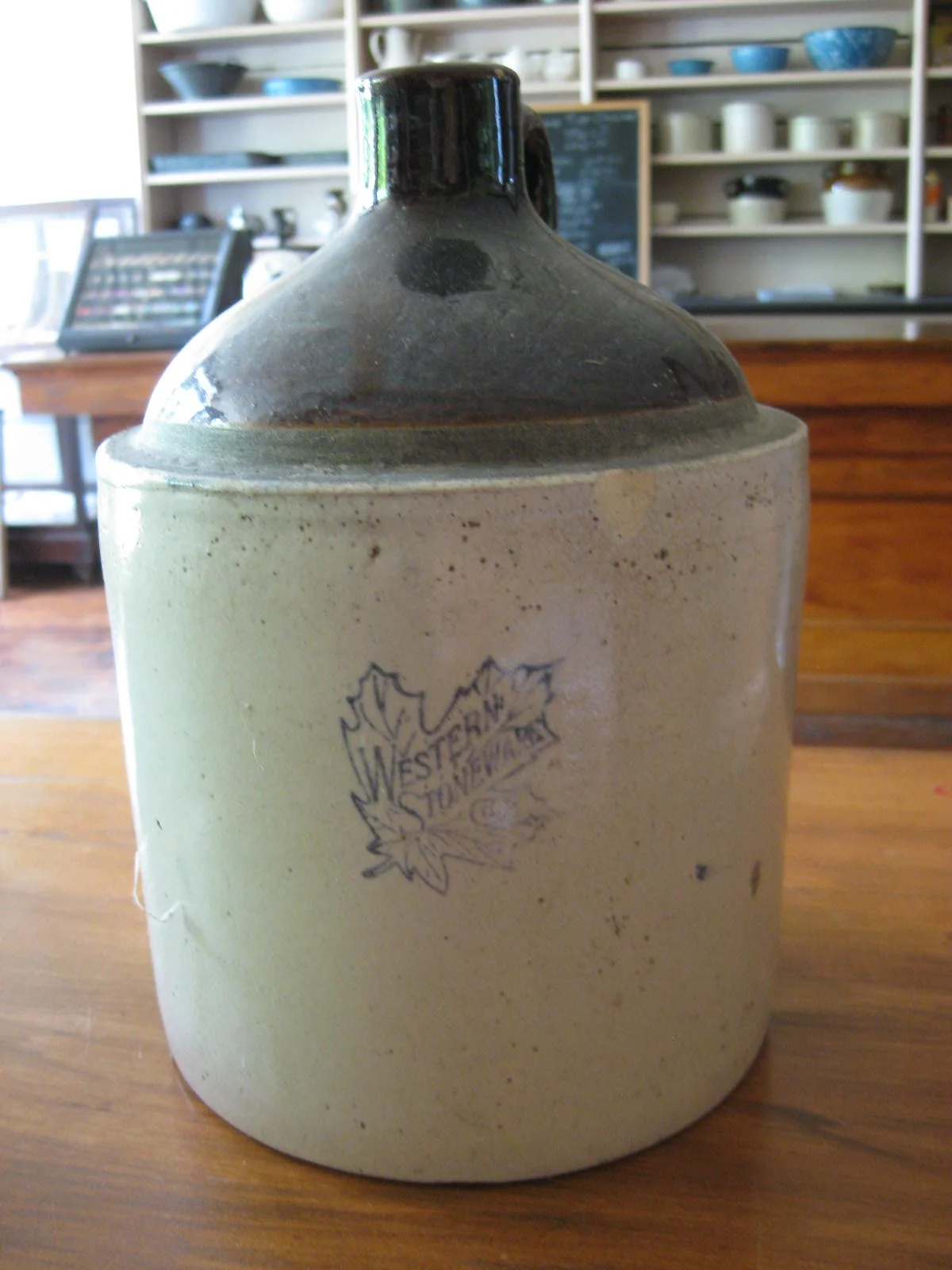
The MCHS Permanent Collection is made up of diverse objects and materials, dating primarily from 1850s to today, that enhance the staff’s and the public’s understanding of life and culture in Northeast Wisconsin. The provenance of the majority of these materials and objects is local. The collection includes but is not limited to objects in the following categories: historic structures, furniture, textiles, clothing, ceramics, glass, metal, horse-drawn vehicles, tools and equipment, fine and folk art, and books and archival materials.
It Began with a Vision…
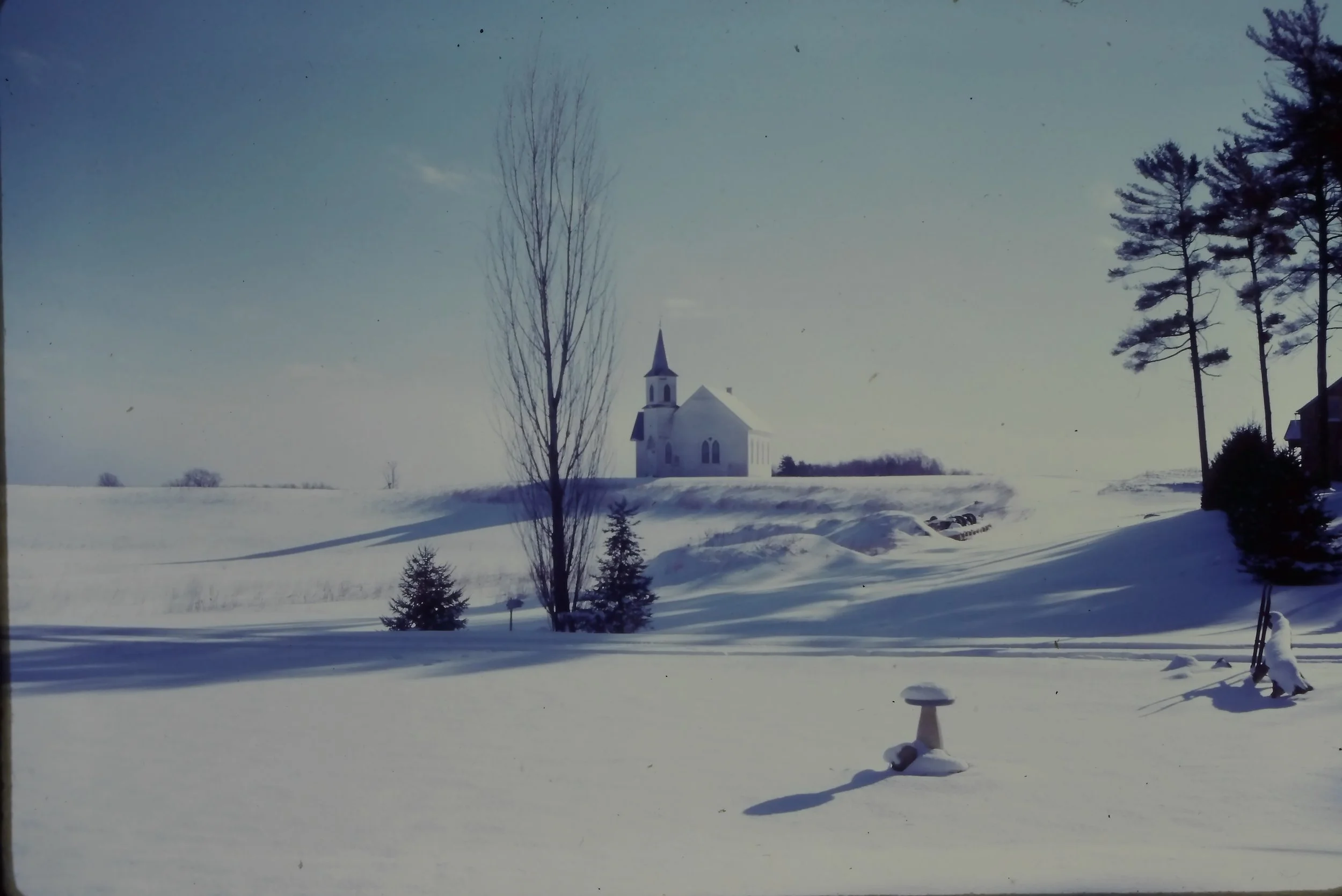
From quiet, rural farmfield, to a “village that might have been…”